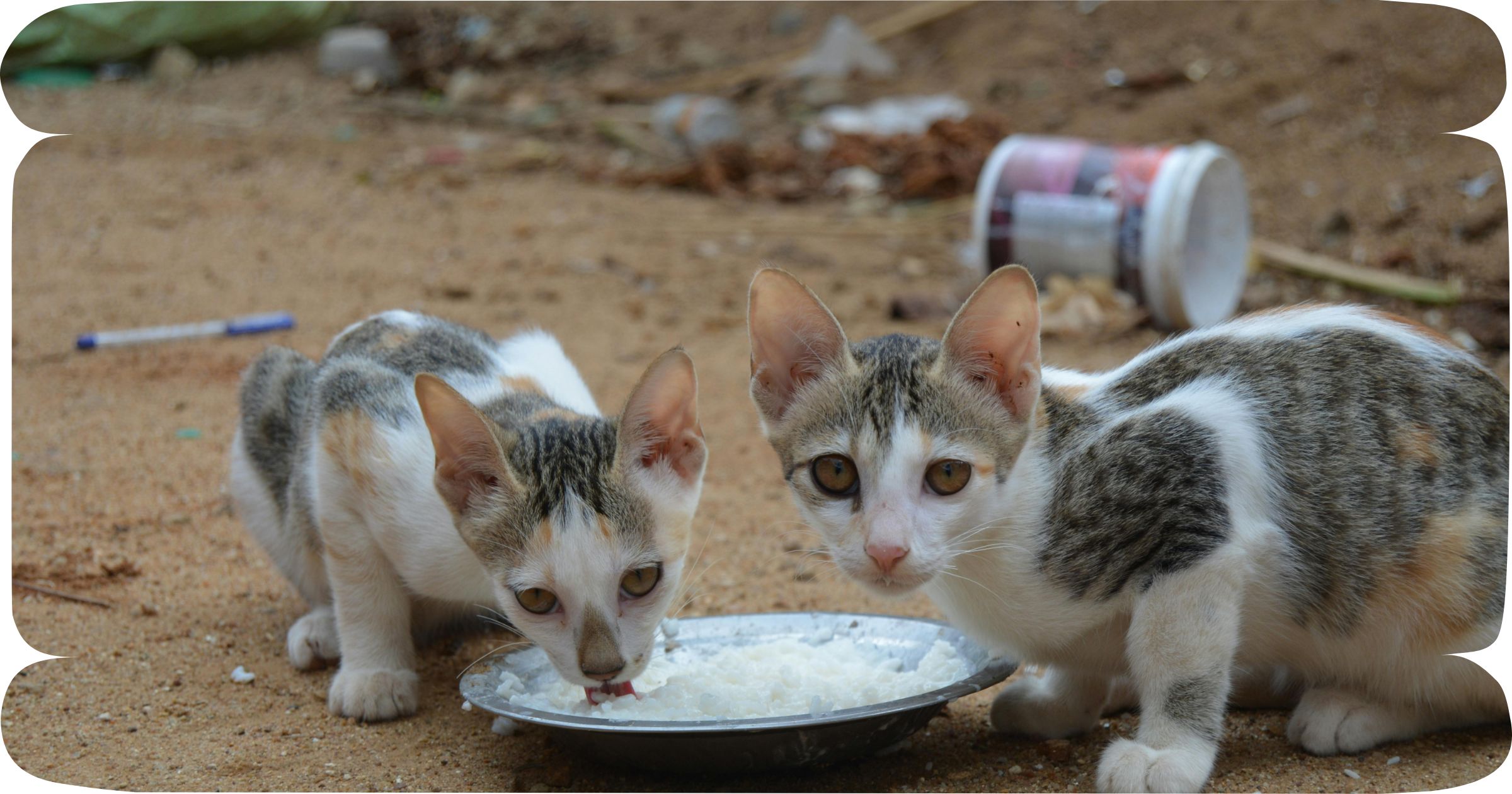
Have You Found a Cat?
Found an Injured or Stray Cat? Start Here.
.png)
1. DOCUMENT THE CAT
- Take clear photos, focus on the face, and the eyes.
- Record short videos (up to 7 sec)
- Capture injuries, limping, distress
WHY THIS MATTERS:
Rescues act faster when they see urgency.
2. WRITE A MESSAGE
- Email and DM on social media
- Be honest, emotional, unedited
- No AI, no polishing - real words matter
WHY THIS MATTERS:
Raw = human = response. AI doesn't care, you do.
3. CAN YOU OR CAN'T?
✔ Can you foster or can't?✔ Can you help or can't help financially?✖ Can you transport a cat or can't?✖ Can you trap the cat or can't?
WHY THIS MATTERS:
Use yes/no icons. Transporting the cat is often the biggest help.
4. ATTACH CONTENT
- Photos & videos increase response rate dramatically.
- Focus on the cat's face and eyes.
- High-quality content is crucial
WHY THIS MATTERS:
DO NOT SKIP THIS STEP! Rescues need proof. Proof = action.
5. CONTACT RESCUES
- Contact MANY RESCUES - larger groups first, smaller after it.
- Send email, call (if possible), DM on social media
WHY THIS MATTERS:
Smaller rescues often step in when big ones can’t.
6. BE PATIENT
- Many big rescues are at capacity.
- Small rescues are run by volunteers with full-time jobs.
- Shelters are overcrowded.
WHY THIS MATTERS:
Do not insult. This is not personal. Kindness is a key.
Photo and Video Guide: Read Before Filming
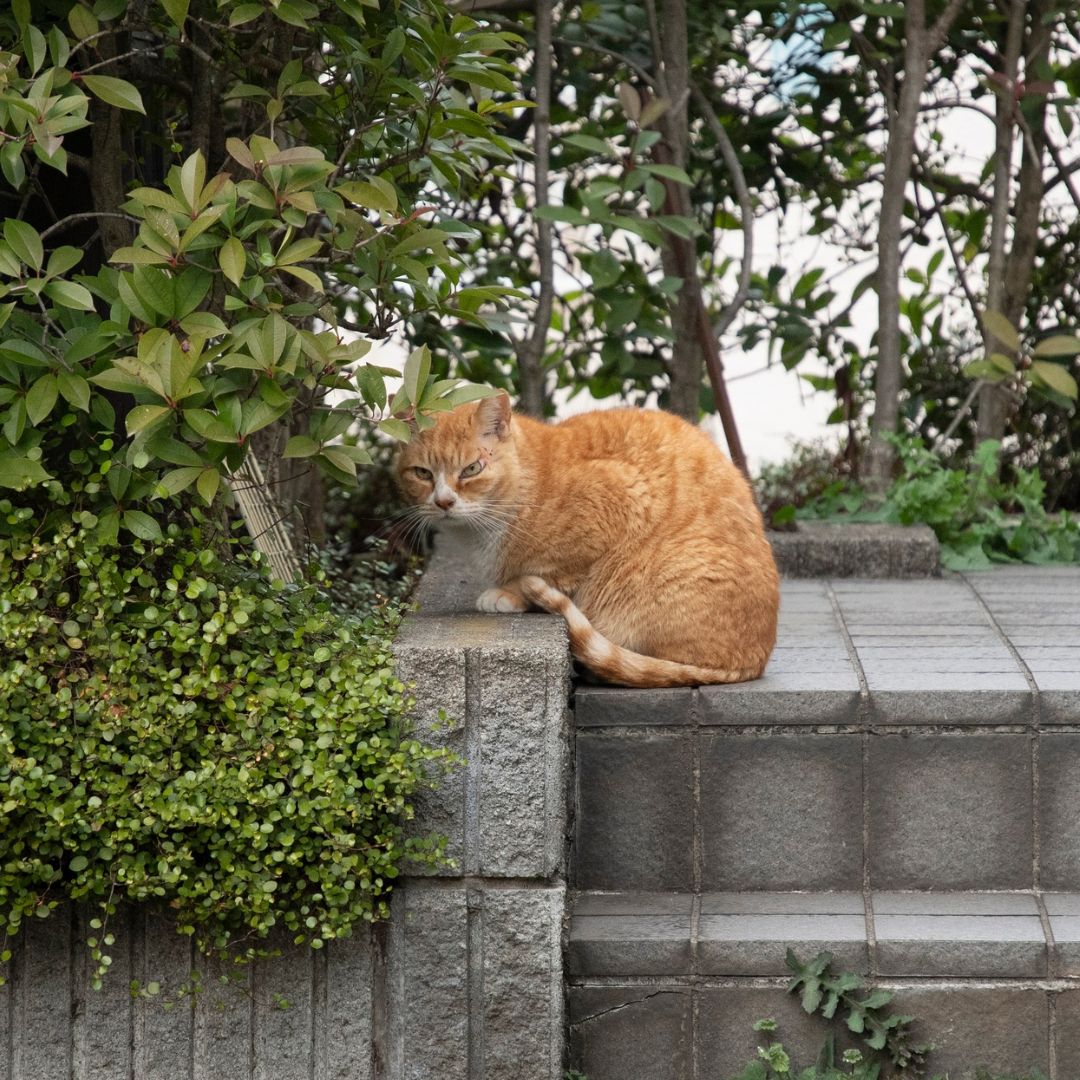
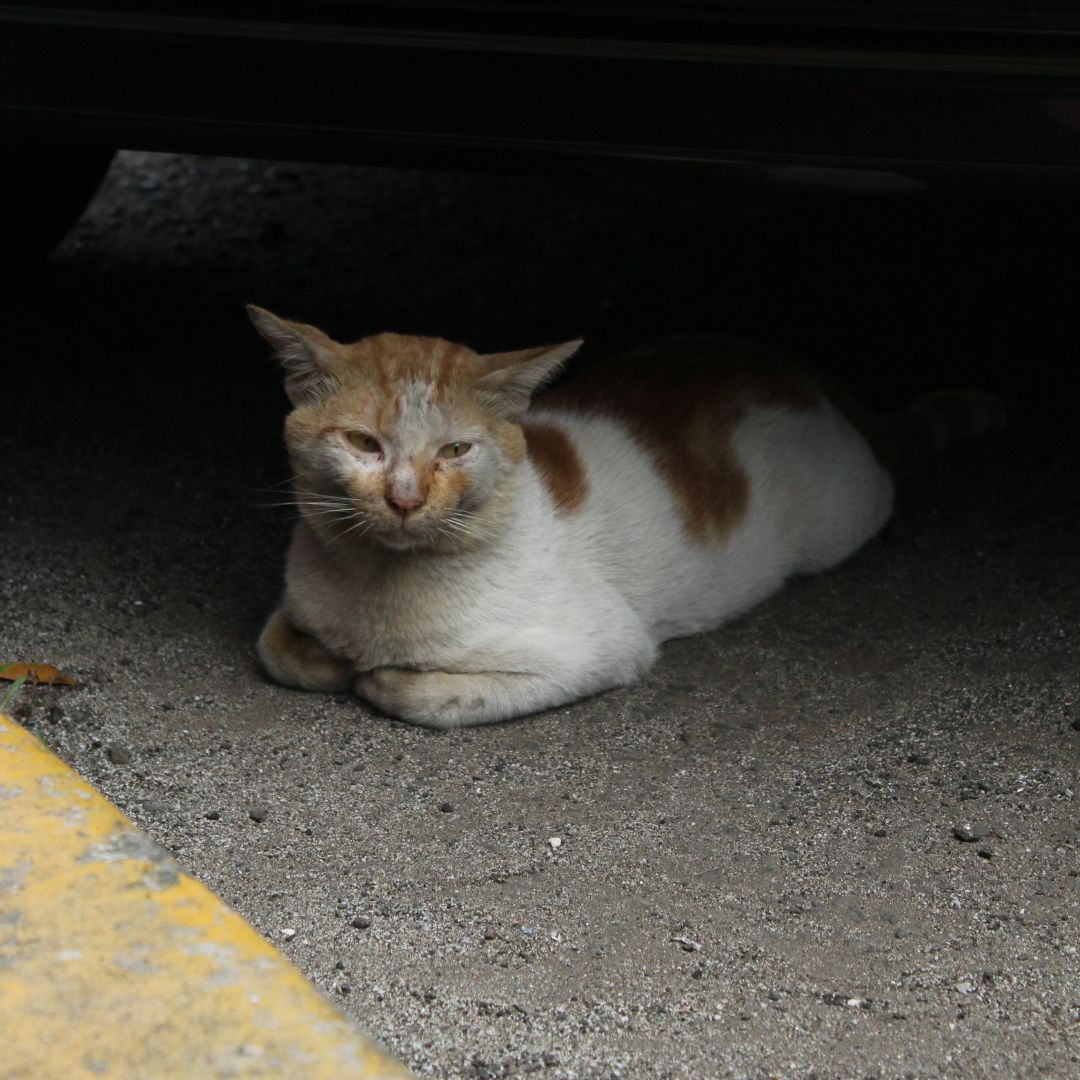
TAKE PHOTOS AND VIDEOS OF THE CAT
When you find a stray or injured cat, high-quality photos and videos are crucial. Make sure to capture the cat’s face clearly, any visible injuries or signs of distress, and the environment where the cat was found.
Short videos (up to 7 seconds) showing movement, limping, or behavior can convey urgency and help rescuers understand the situation.
Good lighting and a clear background improve visibility, while eye-to-eye shots create an emotional connection that motivates rescuers to act quickly.
This is the most critical step - often a matter of life or death for the cat. Pay close attention. You have only one chance to capture it right.