Cat Overpopulation
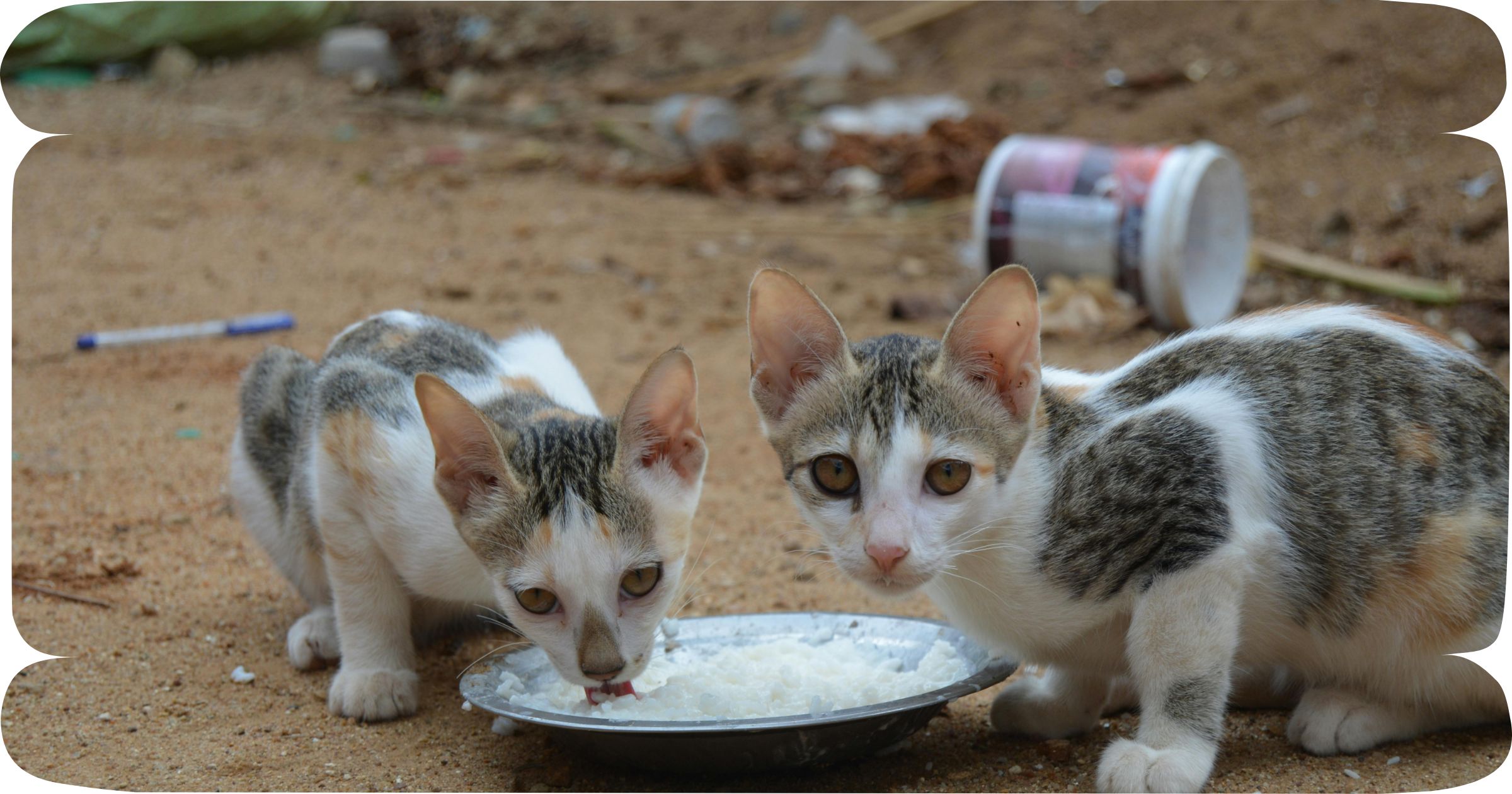
Nearly HALF OF A MILLION of homeless cats roam the streets of NYC. Cat Connections NYC is committed to changing that.
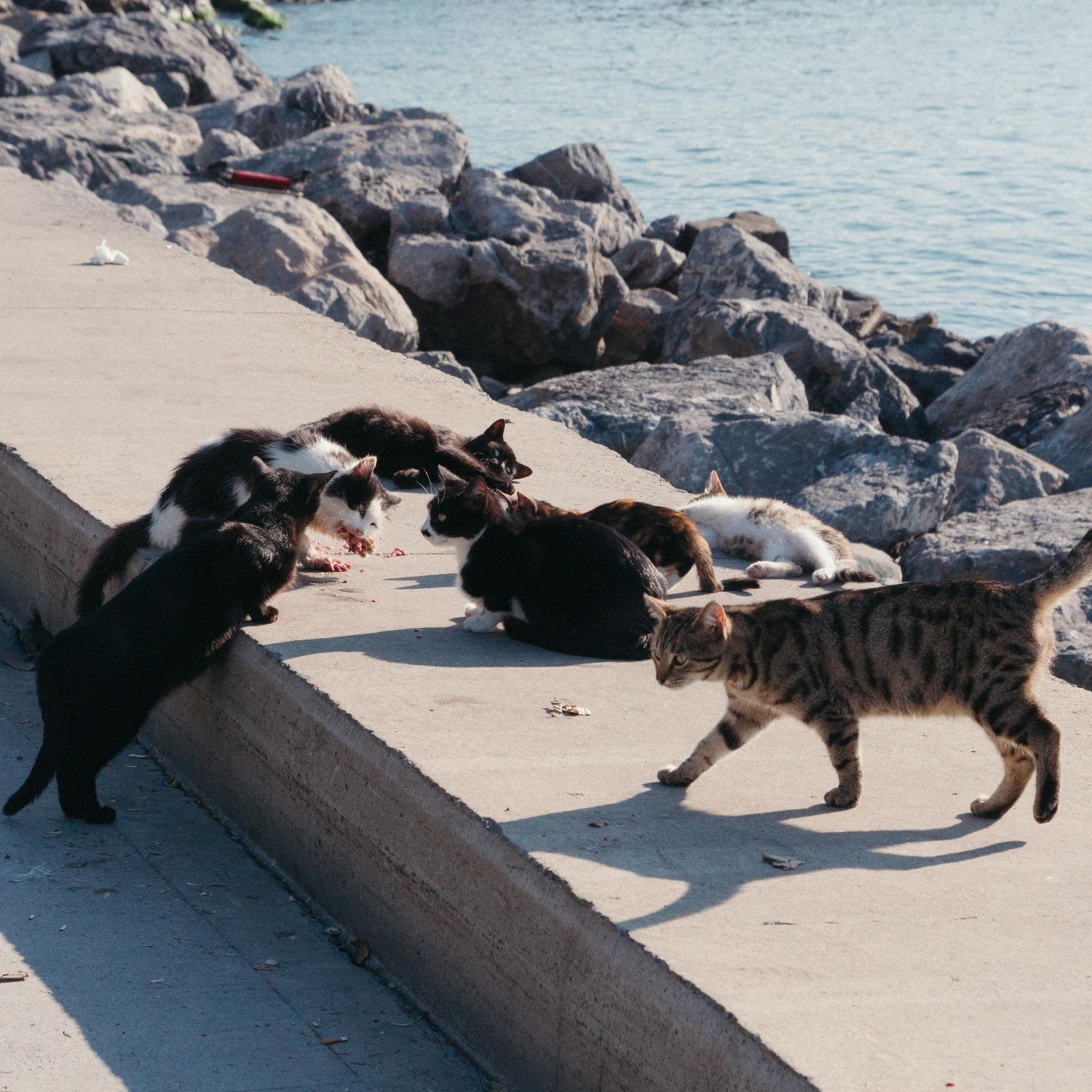
Many of these cats are strays, former pets who were abandoned, injured or sick, lost, or born into a life on the streets.
Causes of Cat Overpopulation
.png)
Lack of Spaying and Neutering - unaltered cats can reproduce rapidly, leading to exponential population growth in a short period of time.

Abandonment of Pets - cats are often surrendered or left behind due to housing issues, financial hardship, or lack of commitment.

Hoarding Situations - uncontrolled accumulation of cats can result in overcrowding, poor health, and neglect, increasing suffering and rescue demand.

Stray and Feral Cat Colonies - outdoor cats form colonies that continue to grow without intervention, perpetuating the cycle of homelessness.

High Cost of Veterinary Care - rising veterinary expenses prevent many caregivers from providing spay/neuter services or necessary medical treatment.

Little Support From Government - limited public funding and resources for animal welfare place the financial burden of spay/neuter and medical care on individuals and small rescues that are mainly volunteer-based.

Consequences of Cat Overpopulation
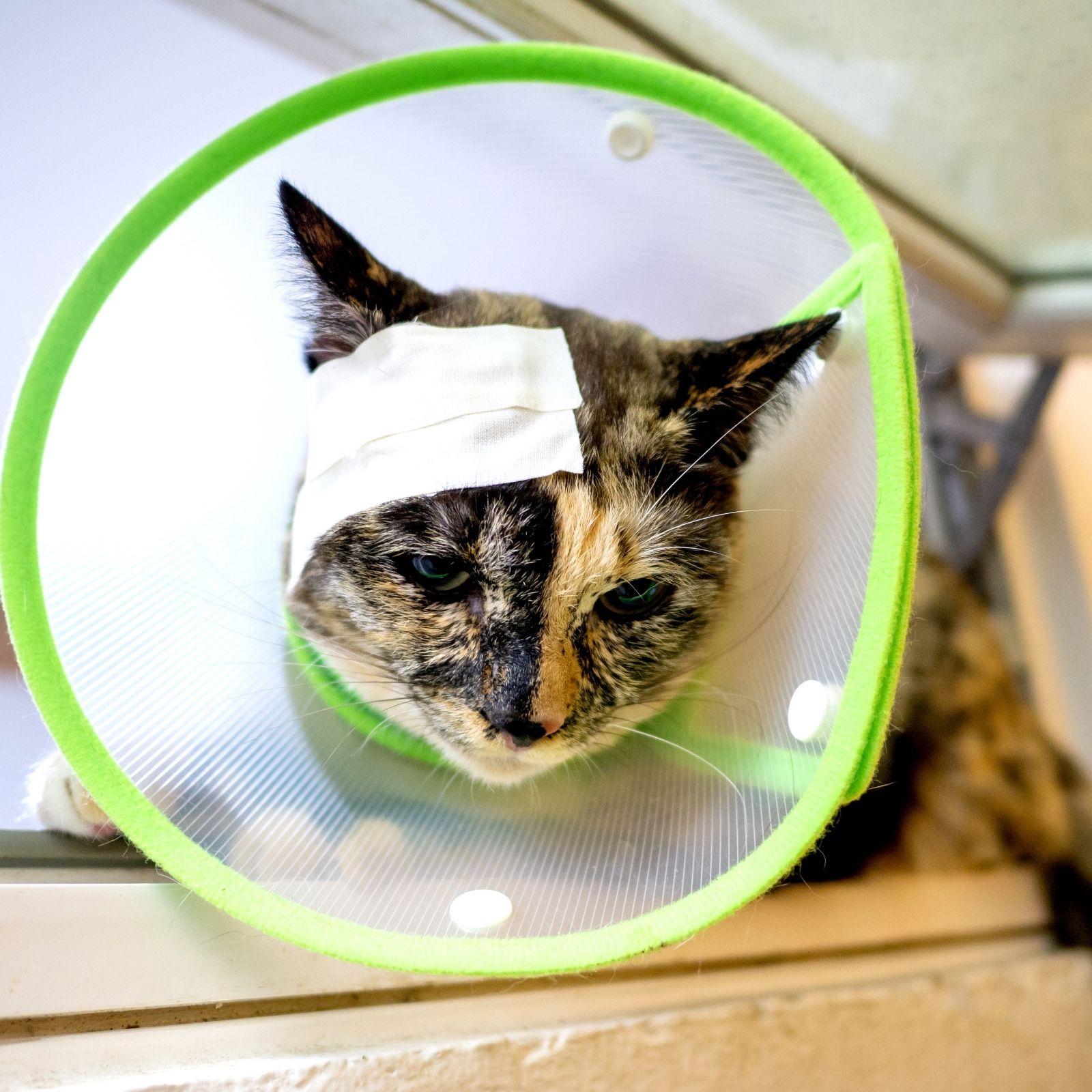

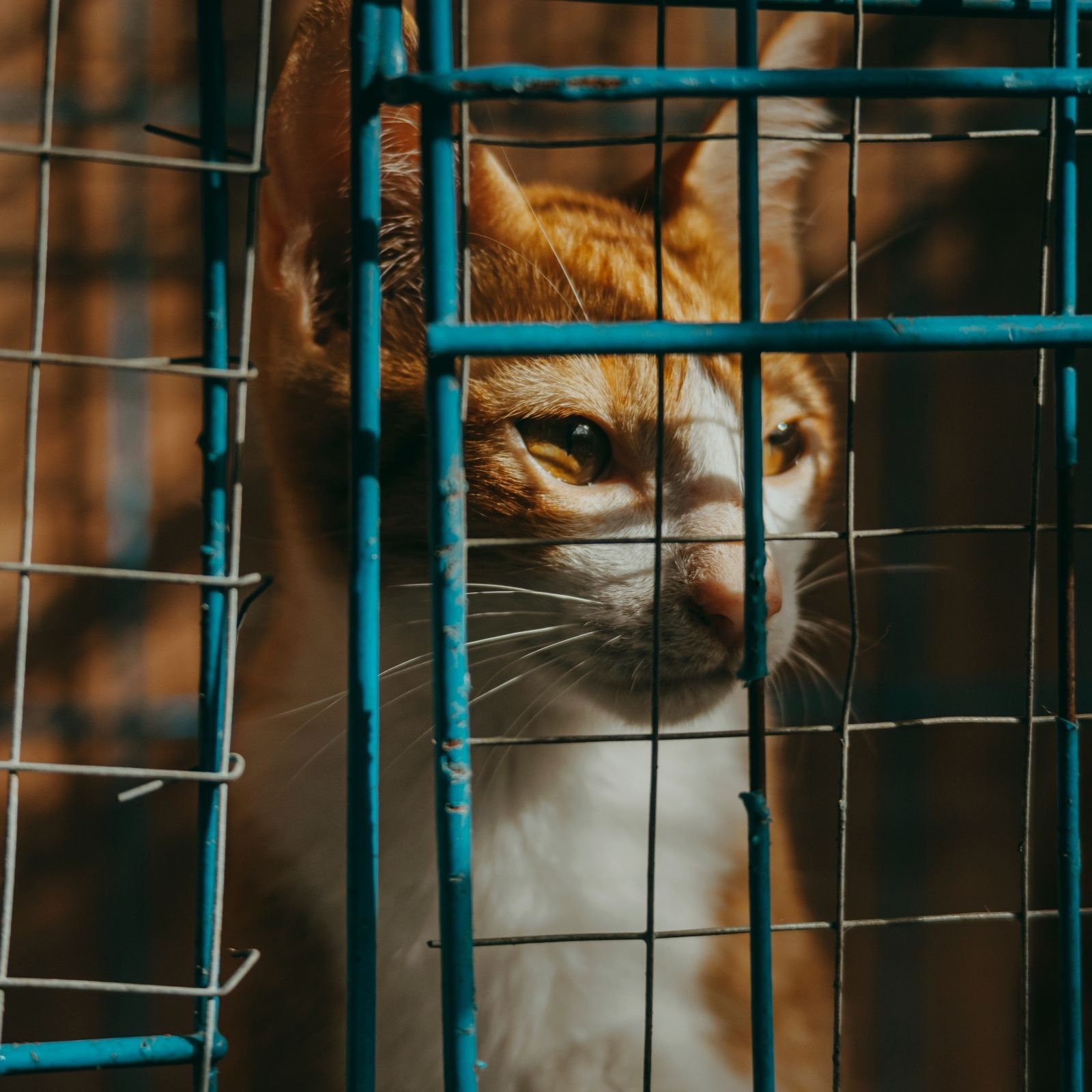
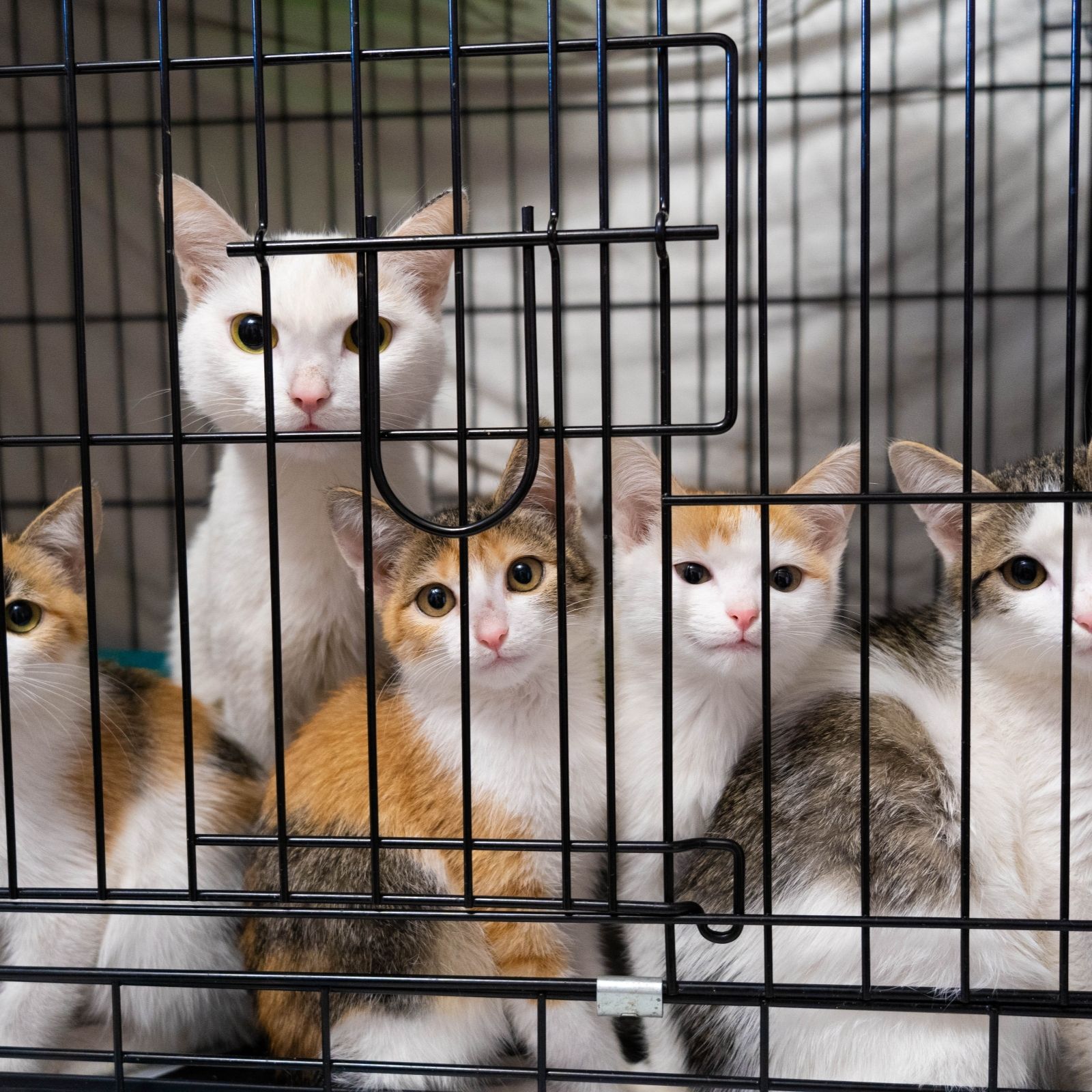

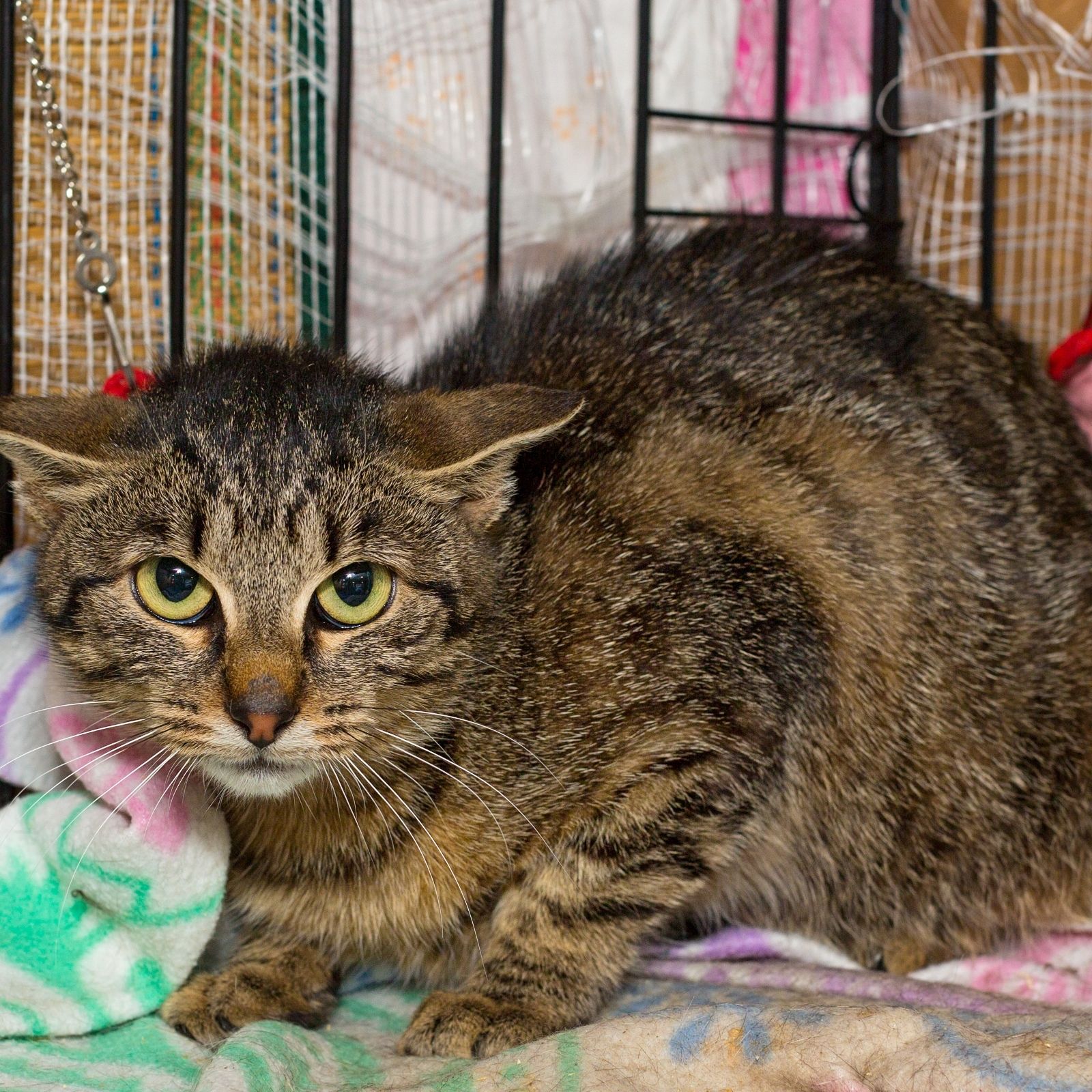
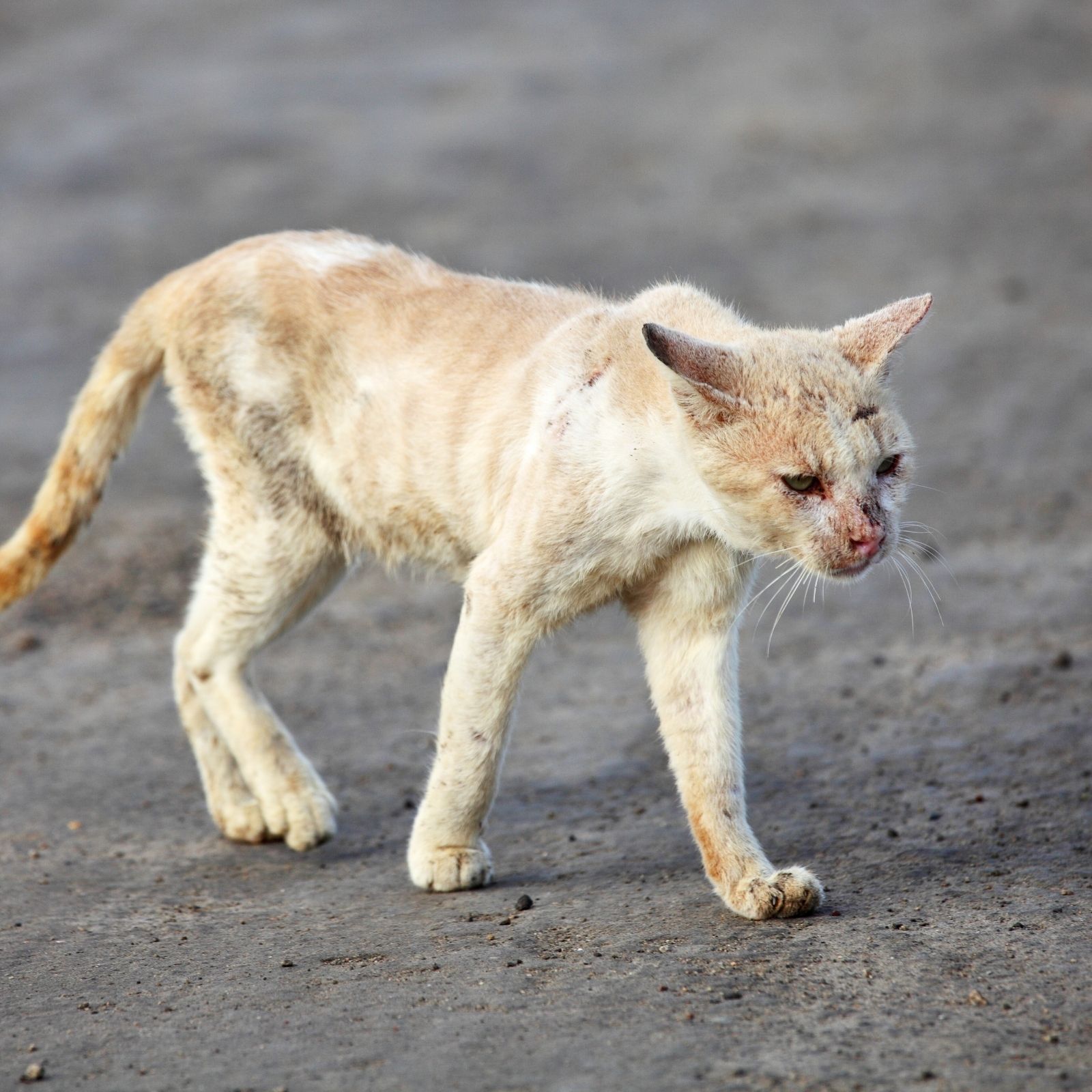
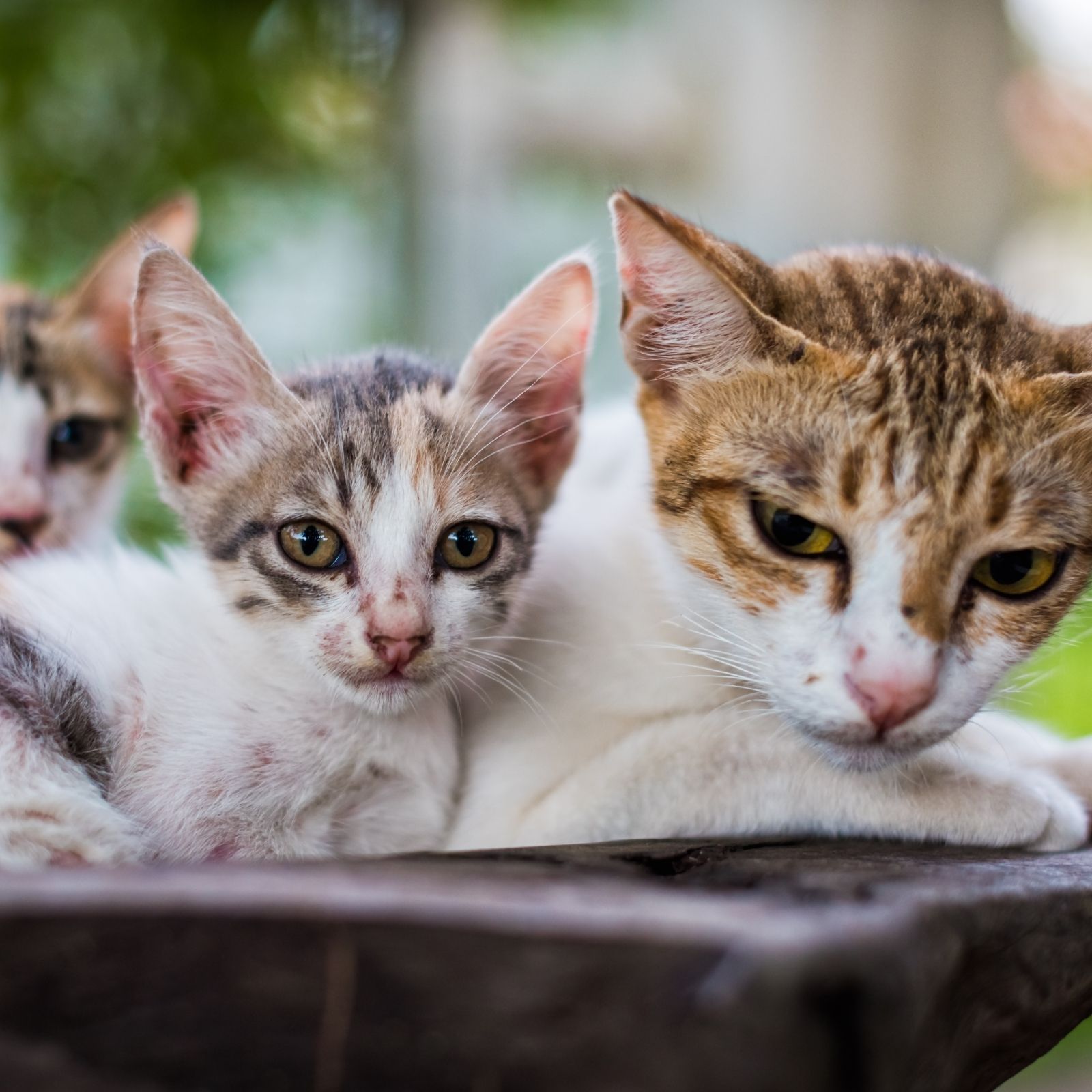
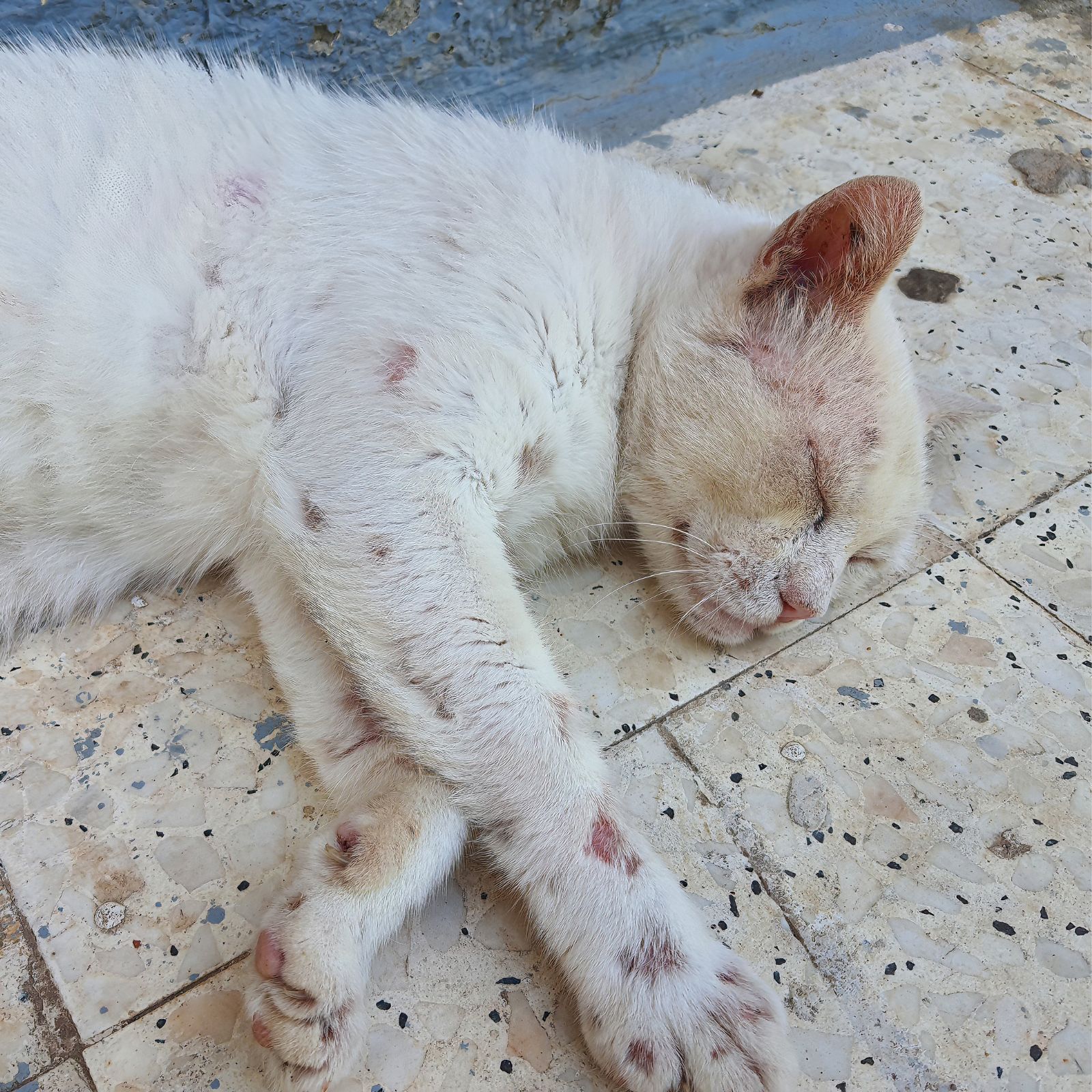
Increased Suffering Among Cats - overcrowding leads to hunger, untreated injuries, disease, and shortened lifespans for homeless cats.
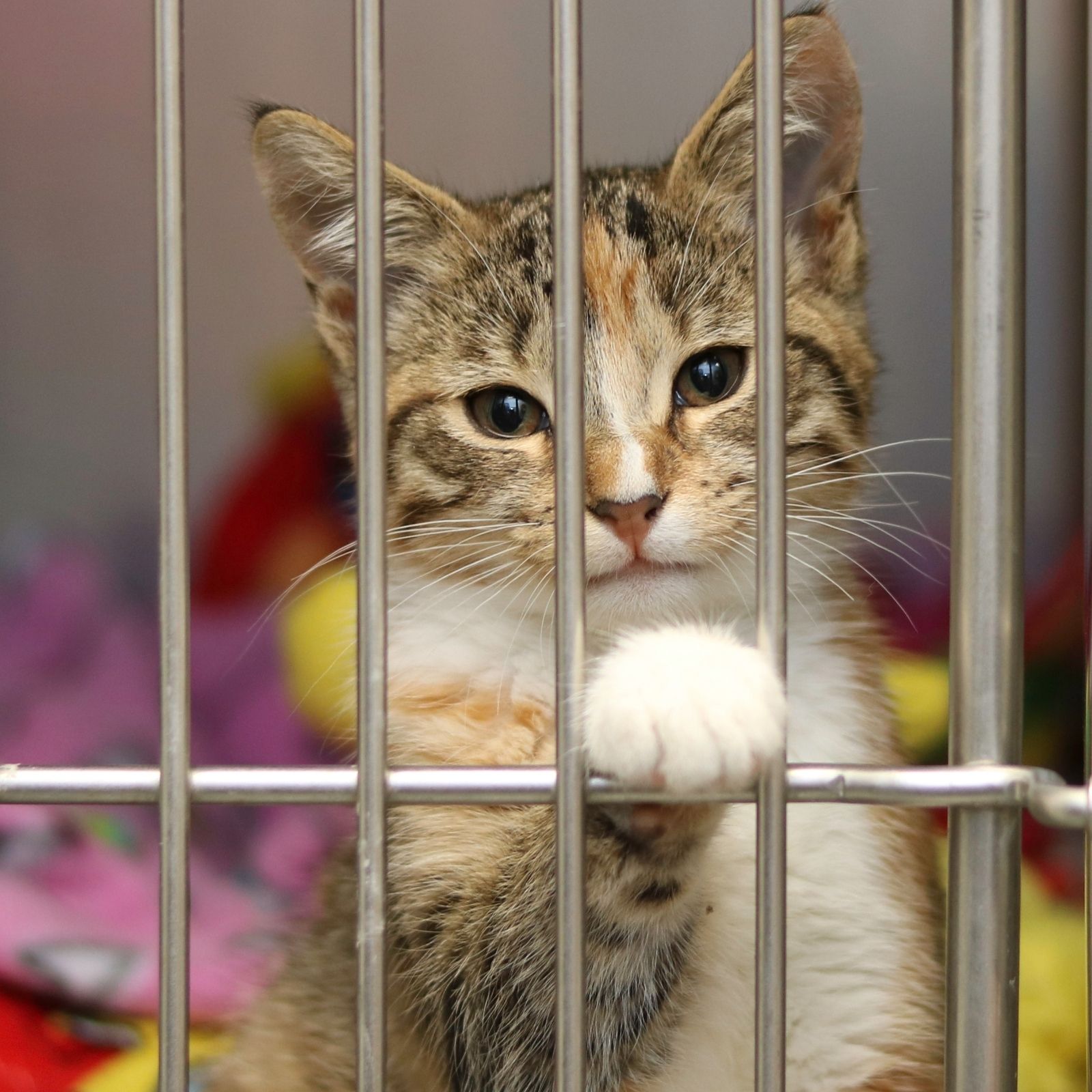
Overwhelmed Rescue Groups and Shelters - rescues and foster networks struggle with limited space, funding, and volunteers, reducing the number of cats they can help.
Public Health Concerns - unmanaged cat populations increase the spread of parasites and diseases that can affect both animals and people.
Environmental Impact - large populations of free-roaming cats can disrupt local wildlife and ecosystems when left unmanaged.
Higher Euthanasia Rates - when shelters and rescues exceed capacity, healthy but homeless cats may be euthanized due to lack of space and resources.
Debt Accumulation - individual rescuers, shelters, and rescue organizations often exceed their financial capacity, accumulating debt that ultimately strains resources and negatively impacts the broader community.
TNR and TNA Are the Only Humane Solutions to Combat Cat Overpopulation
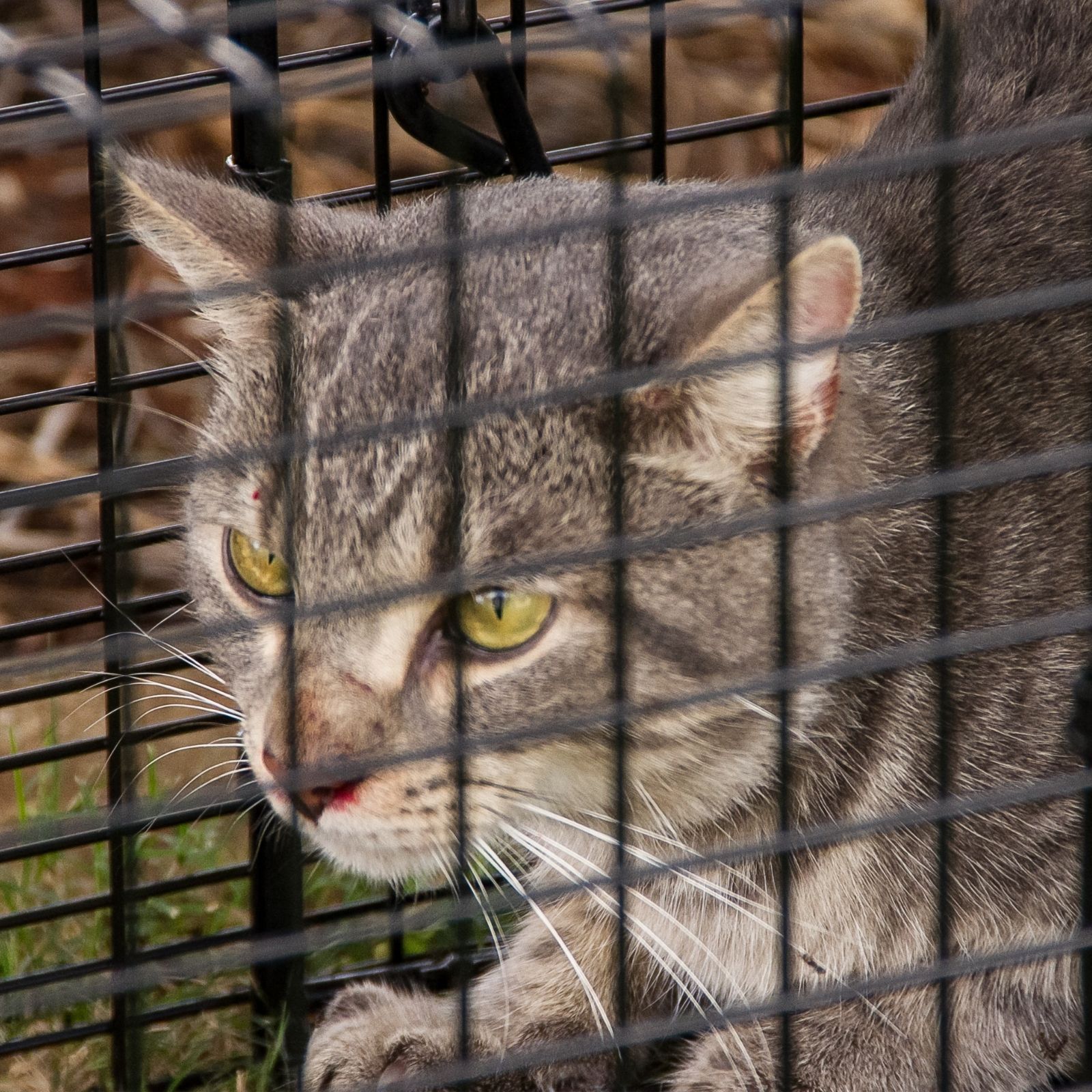
Animal welfare experts worldwide recognize Trap–Neuter–Return (TNR) as the most humane and effective method for reducing cat overpopulation. By preventing reproduction, improving health, and stabilizing outdoor cat populations, TNR addresses the root cause of homelessness rather than relying on short-term or harmful measures.
In some countries and regions, lethal control methods - including poisoning, culling, or mass removal - have been proposed or implemented to manage free-roaming cat populations. These practices are widely criticized by animal welfare groups and society because they cause suffering, fail to prevent population rebound, and do not offer a long-term solution.
Why Cat Connections NYC Practices TNA
At Cat Connections NYC, our mission is TNA - Trap, Neuter, Adopt.
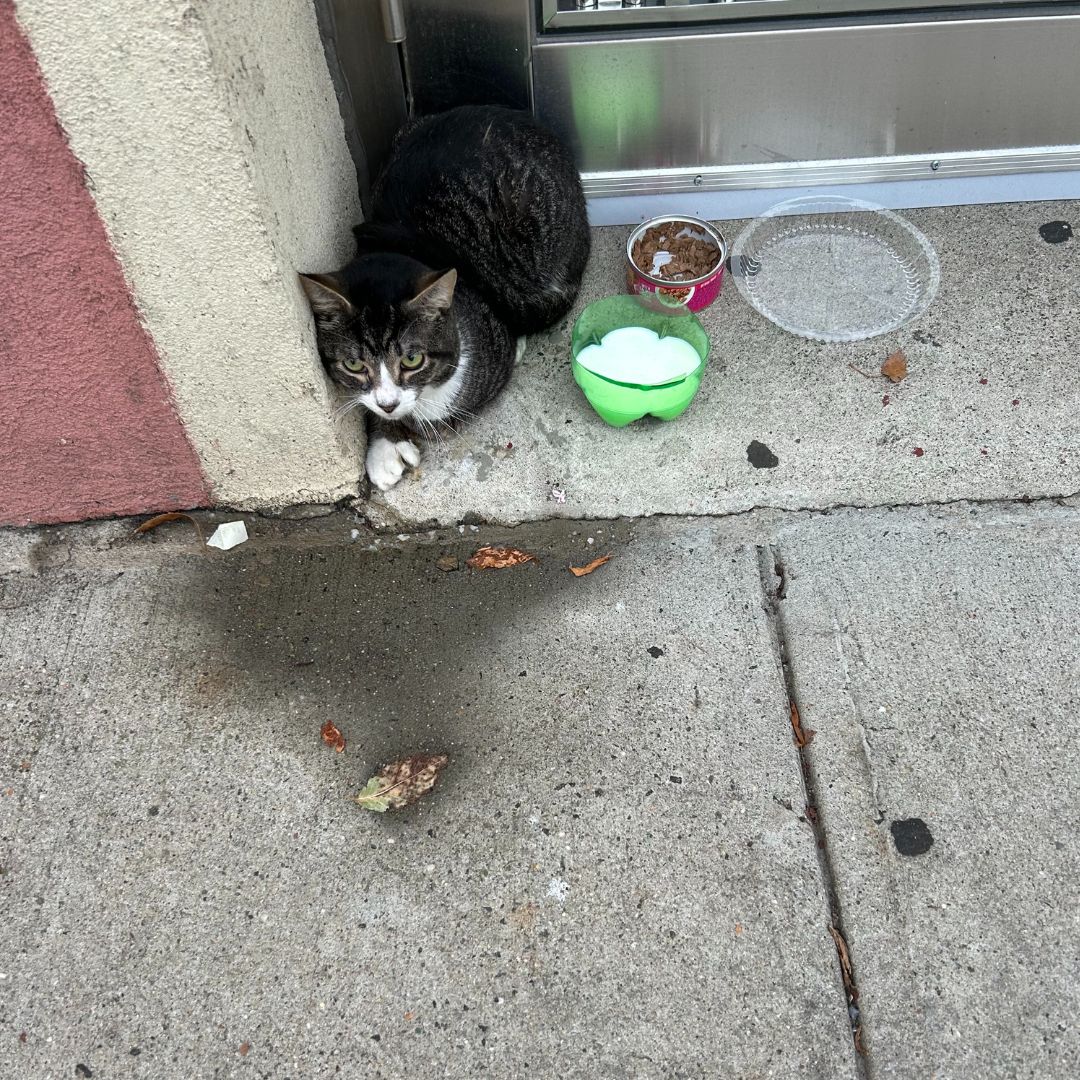
While TNR plays a critical role in preventing reproduction, TNA builds on this model by assessing each cat as an individual. Many cats living outdoors - including strays, abandoned pets, injured cats, and even some cats initially considered unsocialized - can thrive indoors with proper care, time, and patience.
Our approach:

Trap and neuter cats to prevent future litters, socialize them, and adopt them out.
Provide medical care and recovery space to cats in our care to ensure their well-being.
Evaluate socialization potential without assumptions, and with patience and care.
Place adoptable cats into foster homes and forever families whenever possible.